A Sleek, Low-Maintenance Surface That Lasts
Polished Concrete Floors in Mount Pleasant for dust control and modern finished interiors
843 Epoxy & Concrete Coatings grinds and polishes concrete floors to a smooth, high-gloss finish that requires minimal upkeep and delivers a clean, contemporary look. You may be renovating a home, updating a showroom, or outfitting a commercial space where you want a durable floor that does not need waxing, sealing, or constant attention. This service is for property owners who value both function and appearance and want a cost-effective alternative to tile, hardwood, or vinyl.
The polishing process densifies the concrete, making it harder and less porous. This reduces dust, improves light reflectivity, and creates a surface that resists staining and wear. The result is a floor that looks polished and stays that way with routine sweeping and occasional damp mopping.
If you are interested in a polished concrete floor for your home or business, reach out to discuss the current slab condition and the finish level that suits your space.
What Happens During Polishing and After
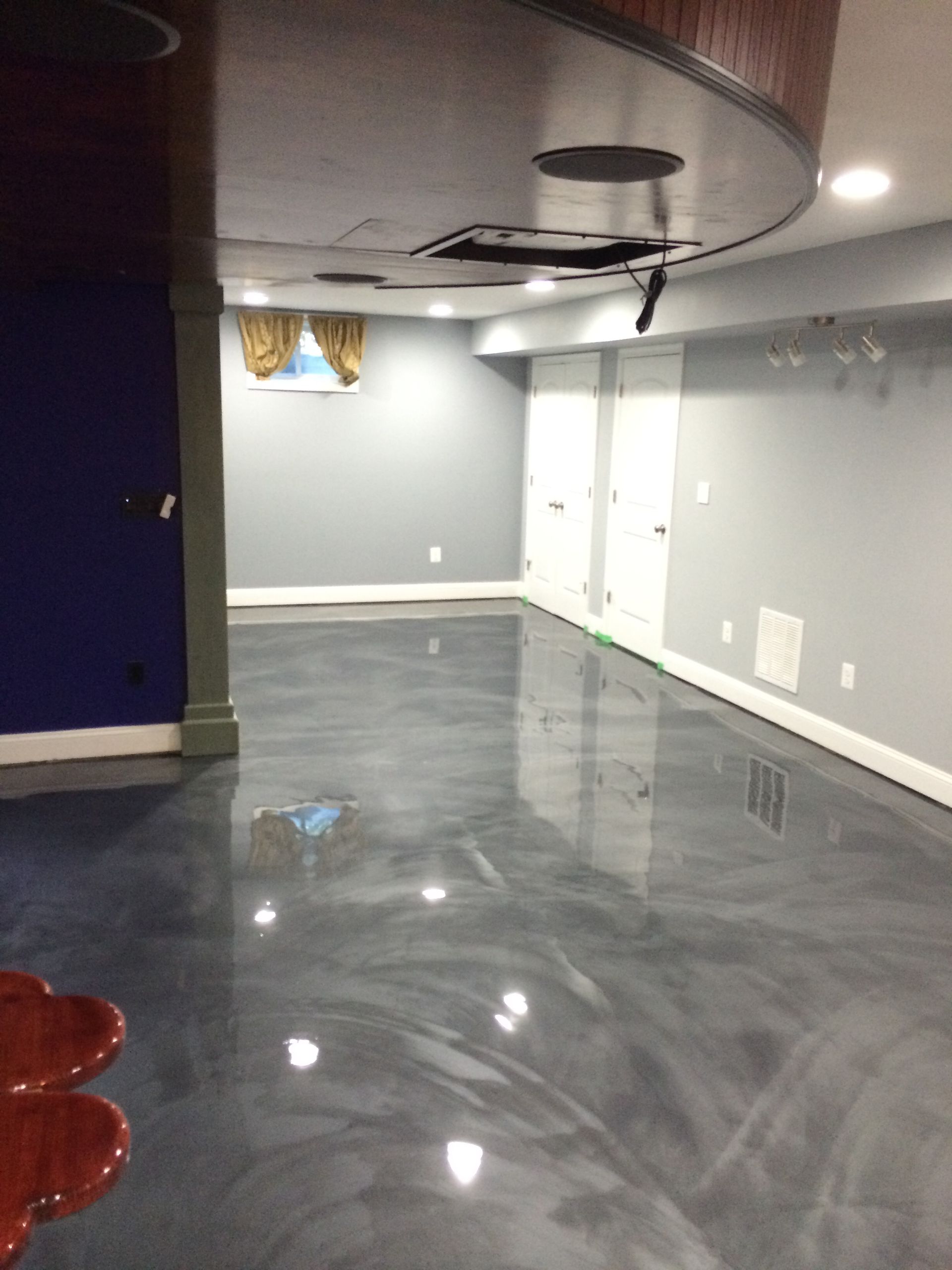
The concrete is ground using progressively finer diamond abrasives, starting with coarse grits to remove surface imperfections and moving to finer grits to build sheen. A chemical densifier is applied midway through the process to harden the surface and fill microscopic pores. The final passes create a mirror-like finish that reflects light and brings out the natural color and aggregate in the concrete.
Once finished, you will notice a dramatic improvement in appearance and cleanliness. The floor will not produce dust, and spills can be wiped up without leaving marks. 843 Epoxy & Concrete Coatings adjusts the level of gloss based on your preference, from a satin sheen to a high-polish finish that looks almost wet.
The process takes one to several days depending on square footage and the condition of the slab. The floor is ready for light use immediately after polishing, though you should wait 24 hours before moving furniture or applying heavy loads. Polished concrete is not recommended for slabs with severe cracking or settling, as those issues need structural repair first.
Questions About Polished Concrete Systems
Homeowners and business owners often ask about maintenance, durability, and how the finish holds up over time.
What does densifying the concrete do?
The densifier reacts chemically with the calcium in the concrete to form a harder, more durable surface that resists abrasion and reduces porosity, which makes the floor easier to clean.
How is polished concrete maintained?
Regular dust mopping and occasional damp mopping with a neutral cleaner are usually sufficient, with no need for waxes, sealers, or refinishing over the life of the floor.
When does polished concrete make sense?
It works well in open-plan homes, retail spaces, galleries, and offices where a modern aesthetic and low maintenance are priorities, especially in Mount Pleasant where humidity can affect other flooring types.
Why does the aggregate show through?
Polishing exposes the sand, stone, and other materials naturally present in the concrete mix, which gives the floor visual depth and a unique appearance that varies from slab to slab.
How slippery is the polished surface?
A high-gloss finish can be slick when wet, so anti-slip additives or a lower sheen level are recommended for areas prone to moisture or heavy foot traffic.
To find out if polished concrete is right for your project, contact 843 Epoxy & Concrete Coatings to review your slab and discuss finish options that fit your goals